Common Causes Of Mold Growth In Homes
People searching for mold removal are typically looking to eliminate mold caused by issues like leaks and humidity, with local contractors ready to handle the job safely and effectively.
If you’ve been searching for information on common causes of mold growth in homes, you’ve come to the right place. Understanding what leads to mold development is essential for property owners who want to maintain a healthy living environment and prevent costly damage. Moisture issues, such as leaks, high humidity, or poor ventilation, are often at the root of mold problems. Recognizing these factors can help homeowners and landlords identify potential trouble spots early on, making it easier to take proactive steps. Local contractors who specialize in mold removal are well-equipped to address these underlying issues, ensuring that mold doesn’t have a chance to thrive.
Exploring the common causes of mold growth in homes is especially practical for those living in areas prone to humidity or frequent weather changes. Overlooking moisture control can result in persistent mold issues that compromise indoor air quality and property value. Fortunately, experienced service providers in the area offer solutions tailored to these challenges, from moisture mitigation to thorough cleanup. Continuing to learn about what causes mold can empower property owners to work effectively with local pros, helping to keep homes safe, healthy, and mold-free.
- Home moisture issues - when excess humidity or leaks create ideal conditions for mold growth, local contractors can assess and address these problems effectively.
- Poor ventilation - areas with inadequate airflow are prone to mold, and service providers can improve ventilation systems to reduce moisture buildup.
- Water damage from flooding or leaks - after water intrusion, local pros can perform thorough mold remediation to eliminate hidden mold sources.
- Condensation problems - when warm, moist air contacts cold surfaces, mold can develop; local contractors can identify and mitigate condensation issues.
- Damp basements or crawl spaces - these areas often harbor mold due to persistent dampness, and local service providers can implement drying and moisture control solutions.
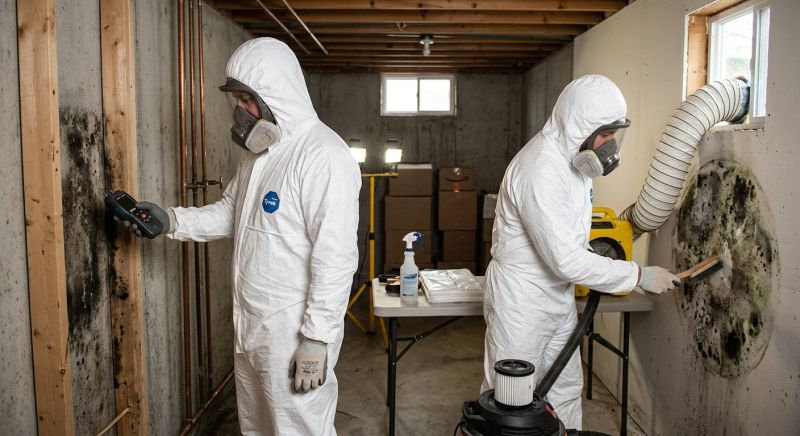
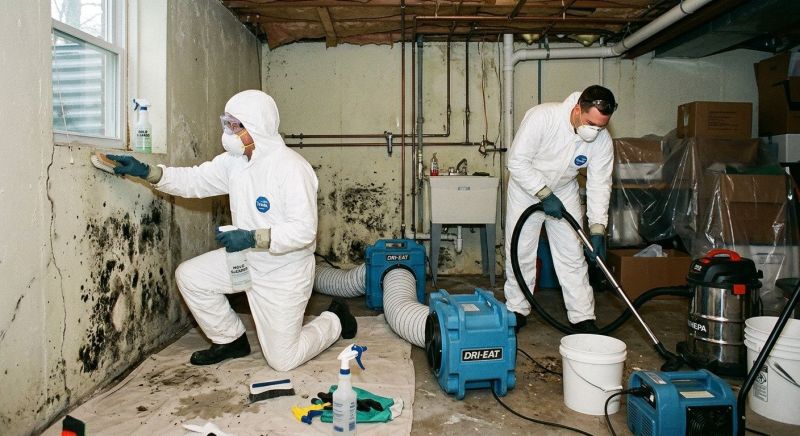
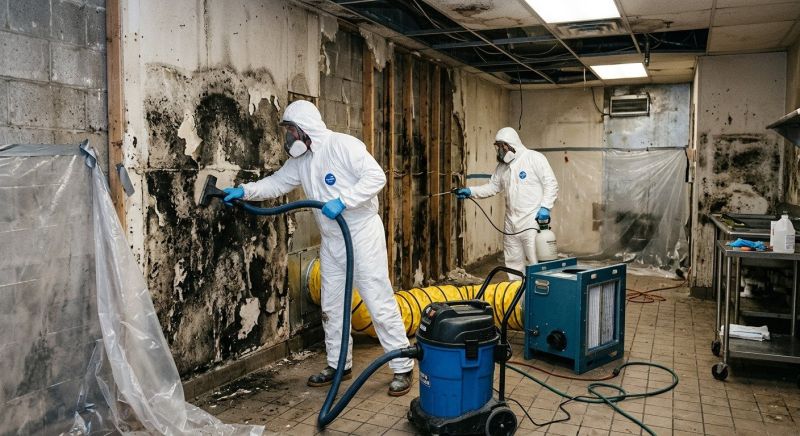
Understanding the common causes of mold growth in homes is essential for homeowners looking to prevent or address mold issues effectively. When people search for this topic, they often want to identify the underlying factors that lead to mold development, so they can take proactive steps to protect their property and health. Mold thrives in environments where moisture persists, making it crucial to recognize areas with high humidity, leaks, or inadequate ventilation. Homeowners may be concerned about hidden mold behind walls, in basements, or in bathrooms, especially if they have experienced recent water damage or notice a musty odor. Knowing the typical causes helps homeowners plan repairs or improvements that reduce moisture problems and create healthier living spaces.
This topic is closely linked to a range of property-related problems and planning efforts. For example, homeowners dealing with ongoing water leaks, condensation issues, or poor airflow often seek information about mold causes to better understand how these issues contribute to mold growth. It also relates to long-term maintenance plans, such as upgrading insulation, fixing plumbing problems, or installing better ventilation systems. Addressing these causes early can prevent mold from becoming a more serious and costly problem. When mold issues are suspected or confirmed, local service providers who specialize in mold removal and remediation can evaluate the property’s specific conditions, identify the root causes, and recommend targeted solutions to eliminate moisture sources.
Typically, the types of properties that come up when exploring common causes of mold growth include residential homes such as single-family houses, apartments, and condos. These properties often have areas prone to moisture accumulation, like bathrooms, kitchens, basements, and laundry rooms. In addition, homes with poor insulation, inadequate ventilation, or plumbing leaks are more susceptible to mold issues. Commercial buildings, especially those with high humidity or water usage, can also fall into this category. For homeowners and property managers, understanding the specific vulnerabilities of their property helps determine whether mold prevention measures or remediation services are needed. Local contractors experienced in mold-related problems can assist in diagnosing issues and implementing effective solutions to keep properties safe and mold-free.
In many cases, addressing the common causes of mold growth in homes involves a combination of repairs, improvements, and ongoing maintenance. Homeowners often seek guidance on how to manage moisture levels, improve airflow, and repair leaks to prevent mold from taking hold. When these issues are identified, local mold removal professionals can step in to assess the extent of mold growth and perform remediation work. These service providers are equipped to handle the necessary cleanup and help establish conditions that discourage future mold development. By understanding the common causes and working with experienced local contractors, homeowners can better protect their properties from mold-related problems and maintain a healthier living environment over time.
Home Inspection Services - Professionals who perform thorough inspections can identify moisture issues and hidden mold sources related to common causes of mold growth in homes.
Moisture Control and Waterproofing - Local contractors specializing in moisture management can address leaks and humidity problems that contribute to mold development.
HVAC and Ventilation Services - Experts in heating, ventilation, and air conditioning systems help improve airflow and reduce indoor humidity that fosters mold growth.
Plumbing Repair Services - Skilled plumbers can fix leaks and plumbing issues that create persistent moisture problems leading to mold issues.
Roofing and Gutter Services - Contractors who handle roofing and gutter systems help prevent water intrusion that can cause mold-promoting conditions inside homes.
Basement Waterproofing Services - Specialists in basement sealing and drainage solutions can eliminate excess moisture that often results in mold growth in lower levels.
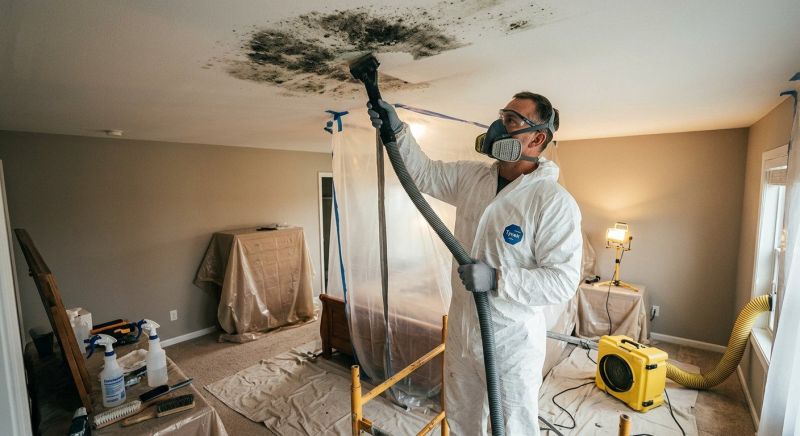
When comparing local contractors for mold removal, it is important to consider their experience with similar projects. Homeowners should inquire about how long a service provider has been handling mold-related issues, especially those caused by common sources such as leaks, high humidity, or poor ventilation. An experienced contractor will have a better understanding of the underlying causes of mold growth and how to effectively address them, reducing the risk of recurring problems. Additionally, reviewing their history of completing projects similar in scope can provide insight into their capabilities and reliability for handling mold removal in homes with specific issues.
Clear written expectations are essential when evaluating potential service providers. Homeowners should seek detailed descriptions of the scope of work, including what the mold removal process entails and what steps will be taken to address common causes of mold growth. Transparent communication about the work plan helps ensure that both parties have aligned expectations and reduces misunderstandings. Reputable contractors typically provide written estimates or plans that outline the procedures, materials used, and post-removal recommendations, giving homeowners confidence in the professionalism and thoroughness of the service.
Reputable references and good communication are key factors in selecting a reliable mold removal contractor. Homeowners are encouraged to ask for references from previous clients who had similar issues, especially those involving common causes of mold growth. Speaking with past customers can reveal how the contractor managed the project, their responsiveness, and overall satisfaction with the work. Furthermore, effective communication during the inquiry process is a strong indicator of how well the contractor will keep homeowners informed throughout the project. Service providers who are transparent, responsive, and willing to answer questions can help ensure a smooth process from start to finish.
Property owners often search for common causes of mold growth in homes when they are planning practical projects around their homes and businesses. Local pros provide Mold Removal services for everyday jobs and straightforward project options.
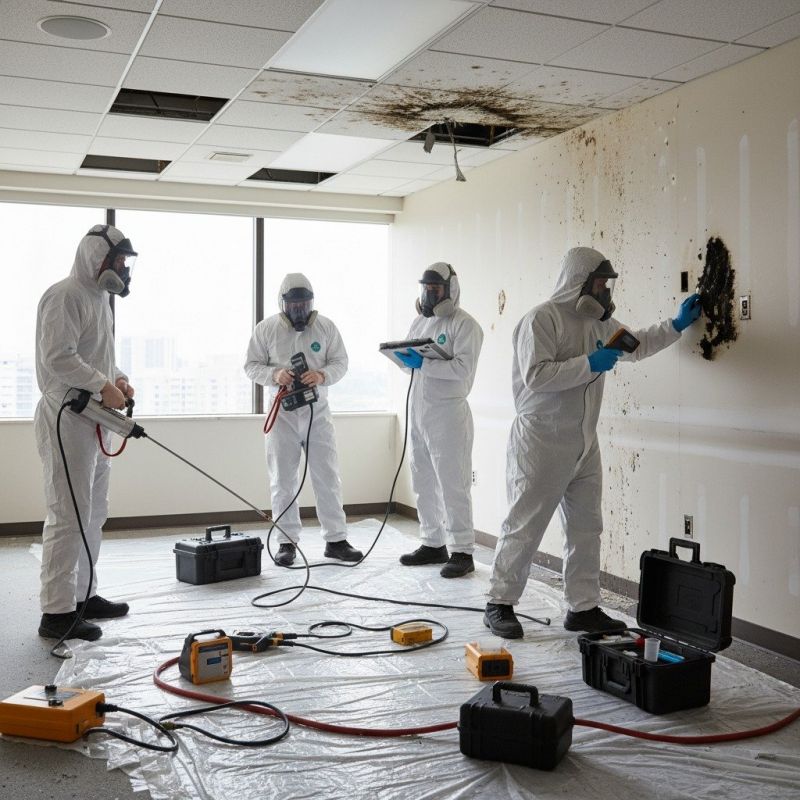
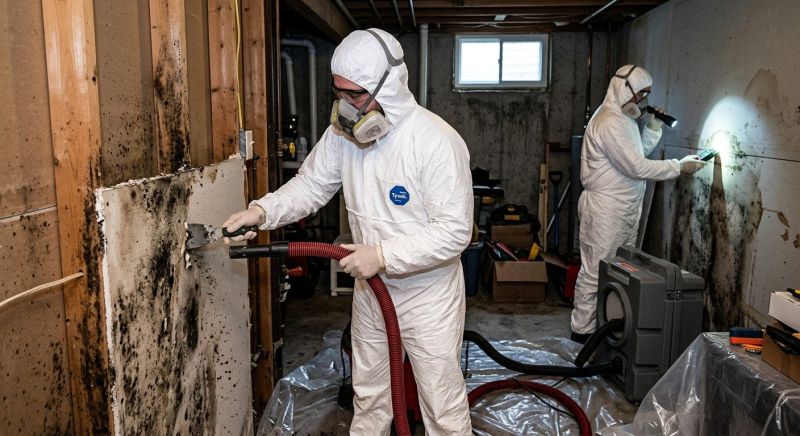
Many homes experience mold growth due to everyday issues like high humidity levels or poor ventilation. Areas such as bathrooms, kitchens, basements, and laundry rooms are especially prone to moisture buildup, which creates ideal conditions for mold to thrive. Property owners noticing signs of mold may want to consider reaching out to local contractors who specialize in mold removal to address these issues effectively and prevent further growth.
Additionally, leaks from plumbing fixtures, roof damage, or windows can introduce persistent moisture into the home’s structure, fostering mold development over time. Even minor water intrusions that go unnoticed can contribute to hidden mold problems. Local service providers experienced in mold remediation can assess these common causes and help restore a healthy indoor environment by removing mold and addressing the underlying moisture issues.
What are common causes of mold growth in homes? Common causes include excess moisture from leaks, high humidity levels, poor ventilation, and water intrusion from flooding or plumbing issues. These conditions create an environment where mold can thrive. Local contractors can identify and address these moisture sources to prevent mold development.
How does poor ventilation contribute to mold growth? Poor ventilation traps moisture inside the home, increasing humidity levels and providing ideal conditions for mold to grow. Service providers can improve airflow and ventilation systems to reduce moisture buildup.
Can water leaks lead to mold problems? Yes, leaks from roofs, pipes, or appliances can introduce moisture into walls, ceilings, and floors, fostering mold growth. Local mold removal specialists can detect hidden leaks and help eliminate mold caused by water intrusion.
Does high indoor humidity cause mold? Elevated humidity levels, especially above 60%, promote mold growth on surfaces and in the air. Dehumidification and moisture control measures implemented by local pros can help maintain proper humidity levels.
What role does water damage play in mold development? Water damage from flooding, spills, or plumbing failures creates persistent moisture problems that support mold growth. Experienced service providers can assess water damage and perform mold remediation to restore a healthy environment.
High humidity levels - Maintaining proper indoor humidity helps prevent mold spores from settling and growing, so property owners can consider using dehumidifiers and ensuring proper ventilation with local contractors.
Leaks and water intrusion - Addressing plumbing leaks, roof leaks, or foundation cracks promptly with the help of local service providers can reduce moisture buildup that promotes mold growth.
Poor ventilation - Improving airflow in areas like bathrooms and kitchens by installing exhaust fans or vents can reduce indoor moisture levels, with local pros assisting in proper installation.
Condensation issues - Identifying and resolving condensation problems on windows and walls can prevent mold from developing, and local contractors can recommend effective solutions for moisture control.
If you are thinking about common causes of mold growth in homes for a property, this guide is meant to help you understand this topic, the typical project types, and how different options might fit your plans.
When you are ready, you can use the quote form on this page to share a few details about your project. From there, local pros can review the basics and follow up with options that match what you have in mind.